
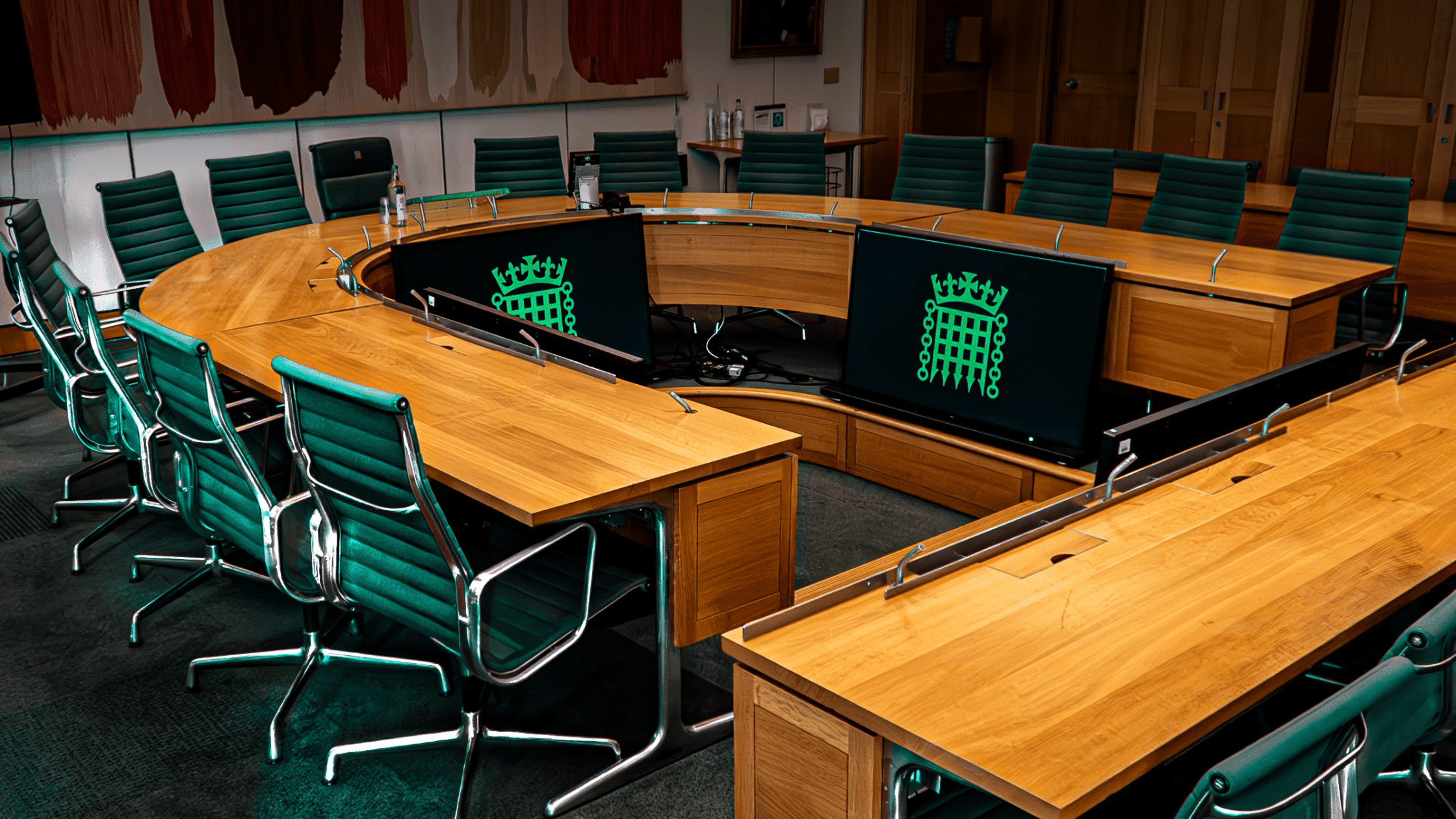
Beauty’s workforce is over 80% female but do current maternity and paternity measures work for you? The Women and Equalities Committee wants to hear your views
In a statement, the Women and Equalities Committee says: ‘Unequal division of child caring responsibilities is a key driver of wider gender inequality and the gender pay gap’. The cross-party group is gathering insights to identify the most effective ways of incentivising more equal sharing of childcare and wider domestic responsibilities between mothers and their partners.
According to the Value of Beauty report, 81% of beauty’s workforce are women as are over 86% of business-owners. So, the beauty industry is uniquely placed to share useful insights into the possible biases that exist when it comes to child care responsibilities.
Women and Equalities Committee (WEC) Chair Sarah Owen MP said: ‘It’s vital that new parents have a shared parental leave system that’s navigable and works for them and their families.
‘Through this call for evidence, WEC aims to identify the most effective ways of incentivising more equal sharing of childcare and wider domestic responsibilities between mothers and their partners.’
A recent report from The Female Lead also found that 47% of women returning to work after mat leave are dissatisfied with employer support and leave their job within a year of coming back to work, which only serves to prove that change is needed.
There’s no denying that roles in beauty also face specific challenges when it comes to navigating parenthood. Whether it’s a loss of custom due to time out of the salon or lack of eligibility for shared parental leave due to freelancing, it’s time to have your say.
The Committee has launched an easy-to-use survey to gather your feedback. They are interested in learning more about the below:
- To what extent has the statutory shared parental leave scheme given parents (including different sex and same sex parents, adoptive parents, and parents through surrogacy) choice and flexibility in how they share parenting responsibilities in the first year?
- What have been the longer-term equality impacts of the scheme, for example on equal sharing of responsibilities for children as they grow up, and wider domestic responsibilities?
- What have been the labour market impacts of the scheme, particularly for women?
- Why has take up of statutory shared parental leave been low and what could be done to increase take up?
- How can inequalities in take up of shared parental leave, including by ethnicity, income, qualification level and occupational status, be addressed?
Please submit your response by Friday 7 February 2025.


